
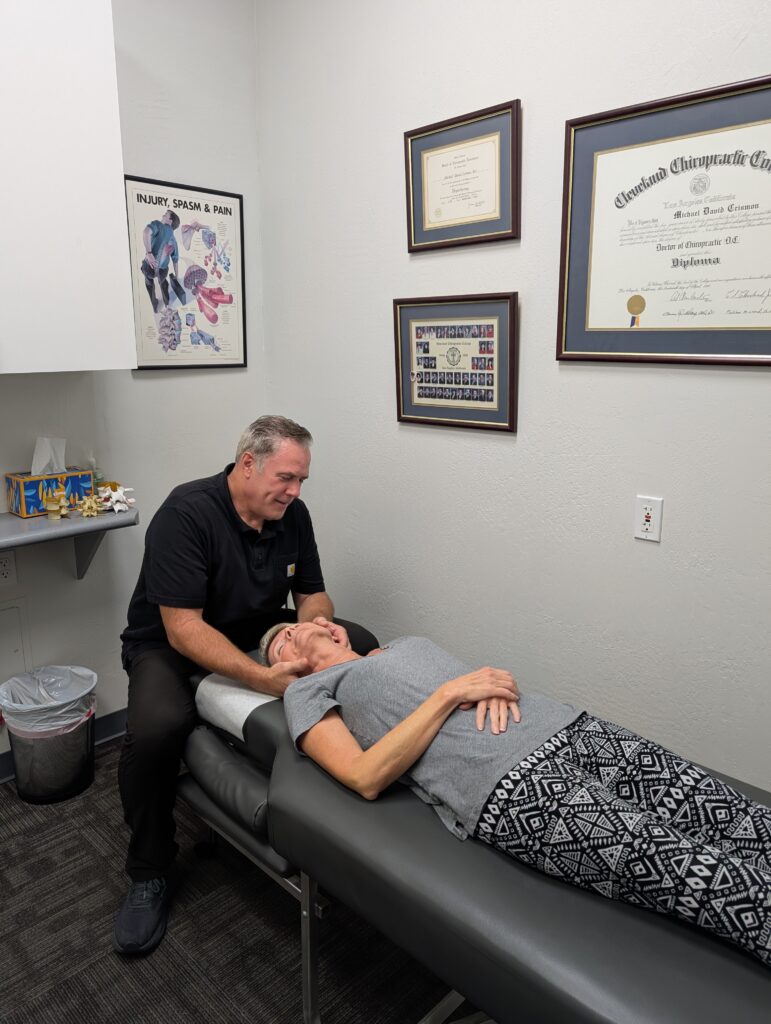
Neck misalignment may present as stiffness, reduced range of motion, headaches, shoulder or arm pain, tingling, or postural changes after daily stress, trauma, or accidents. Muscle guarding and joint dysfunction can alter normal cervical mechanics and nerve signaling. At Advanced Spine & Rehab in Mesa AZ 85206, a complete staff of medical professionals—trained in the latest evidence-based chiropractic and rehabilitative techniques—uses thorough exams and imaging when appropriate to determine alignment and guide holistic, individualized care.
Can a Chiropractor Realign My Neck?
Chiropractors do not simply “push bones back into place,” but evaluate how cervical joints, muscles, and nerves are functioning together. Through a detailed examination, they identify restricted or dysfunctional motion segments and apply precise manual or instrument-assisted adjustments to restore normal movement, reduce nerve irritation, and improve biomechanics. When combined with soft-tissue therapy, exercise, and postural guidance, chiropractic care supports the body’s natural ability to heal and maintain proper neck alignment.
What Causes the Neck to Be Out of Alignment?
Neck misalignment often develops from poor posture, repetitive strain, prolonged screen use, stress-related muscle tension, or improper ergonomics at work or home. Trauma such as car accidents, sports injuries, or falls can also disrupt normal cervical joint motion. Over time, muscle imbalances and ligament strain may alter spinal mechanics, affecting nerve signaling and movement patterns. These functional changes can persist without proper evaluation and targeted treatment.
Can a Stiff Neck Cause Nausea?
Yes, a stiff neck can contribute to nausea in certain situations. Cervical muscle tension and joint dysfunction may affect nearby nerves, blood flow, and the body’s balance systems, particularly when the upper neck is involved. This can trigger symptoms such as dizziness, headaches, or nausea, especially with movement. These symptoms are more likely when stiffness follows poor posture, prolonged strain, or injury affecting normal neck mechanics.
What Are the Symptoms of a Pinched Vagus Nerve in the Neck?
The vagus nerve is rarely “pinched” in the neck like a spinal nerve. However, irritation or dysfunction affecting vagal pathways may contribute to symptoms such as voice changes, difficulty swallowing, throat tightness, dizziness, nausea, heart rate changes, or digestive disturbances. These symptoms often overlap with cervical spine dysfunction, muscle tension, or autonomic nervous system imbalance, making a thorough medical and musculoskeletal evaluation essential for accurate diagnosis.
What Are the 5 D’s for Neck Pain?
The “5 D’s” are red-flag symptoms that may accompany neck pain and suggest possible vascular or neurological involvement. They include dizziness, diplopia (double vision), dysarthria (slurred speech), dysphagia (difficulty swallowing), and drop attacks (sudden falls without loss of consciousness). When neck pain is associated with any of these symptoms, it warrants immediate medical evaluation to rule out serious conditions affecting blood flow or brainstem function.
Common Symptoms That Prompt Chiropractic Care for Neck Misalignment
Persistent Neck Stiffness and Reduced Range of Motion
When the neck feels “locked,” tight, or difficult to turn, it often reflects joint restriction and muscle guarding. This stiffness may worsen after sleeping, working at a desk, or prolonged phone use. Restricted cervical motion alters normal biomechanics, increasing strain on surrounding tissues. Over time, this can contribute to inflammation, fatigue, and compensatory movement patterns that make daily activities uncomfortable and progressively limit functional mobility.
Recurring Headaches or Head Pressure
Neck-related headaches commonly originate from the upper cervical spine, where joint dysfunction and muscle tension can irritate pain-sensitive structures. These headaches often begin at the base of the skull and radiate toward the temples or forehead. They may be triggered by posture, stress, or prolonged sitting. Addressing cervical alignment and muscle balance can reduce the mechanical stress contributing to these recurring headache patterns.
Shoulder, Upper Back, or Arm Discomfort
Neck misalignment can refer pain into the shoulders, upper back, or arms due to shared muscular and nerve pathways. Patients may notice aching, burning, or heaviness extending beyond the neck itself. This discomfort often reflects altered joint motion and muscle imbalance that increase tension on surrounding tissues. Without correction, these symptoms may interfere with lifting, reaching, sleeping positions, and overall upper-body function.
Tingling, Numbness, or Radiating Sensations
Abnormal neck mechanics can contribute to nerve irritation, leading to tingling, numbness, or “pins and needles” sensations in the arms or hands. These symptoms may fluctuate with posture or neck movement and suggest altered nerve signaling rather than isolated muscle strain. Early evaluation is important, as persistent nerve-related symptoms may worsen if underlying joint dysfunction and mechanical stress are not properly addressed.
Postural Changes and Feeling “Off Balance”
Many people report feeling uneven, tilted, or unable to maintain upright posture when the neck is not functioning properly. Forward head posture or shoulder imbalance may become noticeable over time. Cervical misalignment can disrupt proprioception, the body’s sense of position and movement. This may contribute to fatigue, strain throughout the spine, and a general feeling that the head is not comfortably supported.
Top Medical Causes Behind Neck Misalignment–Related Symptoms
Cervical Joint Dysfunction
Restricted or abnormal motion between the cervical vertebrae can alter normal biomechanics and irritate surrounding tissues. This dysfunction often results from repetitive strain, poor posture, or minor trauma and may lead to stiffness, headaches, referred shoulder pain, and reduced range of motion due to impaired joint mobility and compensatory muscle tension.
Cervical Disc Degeneration or Disc Bulge
Age-related disc changes or injury can reduce disc height or cause bulging, increasing stress on spinal joints and nearby nerves. These changes may contribute to neck pain, arm symptoms, headaches, and stiffness, especially during prolonged sitting or movement, and can progress if mechanical stress on the cervical spine persists.
Muscle Imbalance and Myofascial Trigger Points
Chronic muscle overuse or underuse can create imbalance and localized areas of tightness known as trigger points. These can refer pain into the head, shoulders, and arms while limiting neck mobility. Muscle imbalance often develops from poor ergonomics, stress, or repetitive activity and reinforces abnormal movement patterns.
Cervical Nerve Root Irritation
Inflammation or compression affecting cervical nerve roots may cause radiating pain, tingling, numbness, or weakness into the arms or hands. This irritation often results from joint dysfunction, disc changes, or postural stress and can worsen with certain neck positions, making early assessment and targeted care important.
Postural and Biomechanical Stress
Forward head posture and prolonged static positions place excessive load on cervical joints and supporting tissues. Over time, this stress contributes to joint restriction, muscle fatigue, headaches, and shoulder discomfort. Poor biomechanics can gradually alter spinal alignment and increase susceptibility to recurring neck-related symptoms.
Top Medical Treatments for Neck Alignment–Related Symptoms
Chiropractic Spinal Adjustment
Targeted adjustments restore normal joint motion in the cervical spine, reducing stiffness, improving range of motion, and decreasing nerve irritation. This treatment commonly addresses neck pain, headaches, shoulder tension, and mechanical dysfunction caused by restricted or misaligned joints.
Physical Therapy and Corrective Exercise
Therapeutic exercises strengthen weak muscles, stretch tight tissues, and improve posture. Physical therapy helps stabilize the neck, reduce recurring pain, and relieve symptoms such as stiffness, imbalance, and radiating discomfort by correcting underlying movement and muscular deficiencies.
Soft Tissue Therapy
Manual techniques such as myofascial release and trigger point therapy reduce muscle tension and improve circulation. This treatment helps relieve headaches, muscle tightness, and referred pain by addressing fascial restrictions and muscular contributors to neck dysfunction.
Postural and Ergonomic Rehabilitation
Postural correction and ergonomic modifications reduce repetitive strain on the cervical spine. This approach alleviates chronic neck pain, tension headaches, and shoulder discomfort by improving spinal alignment during daily activities and work-related tasks.
Medical Pain and Inflammation Management
Short-term use of anti-inflammatory medications or other medical interventions may reduce acute pain and swelling. This approach helps control symptoms such as severe neck pain or nerve irritation while allowing participation in rehabilitative and corrective therapies.
Summary
Neck pain and alignment issues often stem from joint dysfunction, muscle imbalance, disc changes, and postural stress. Effective treatment focuses on correcting the underlying cause through chiropractic adjustments, physical therapy, soft tissue therapy, ergonomic rehabilitation, and medical pain management. These evidence-based approaches help restore cervical mobility, reduce nerve irritation, relieve headaches, and improve posture. Addressing neck alignment with comprehensive, targeted care supports long-term spinal health, improved function, and reduced recurrence of chronic neck-related symptoms.
Meet the Professional Staff
At Advanced Spine & Rehab in the Phoenix East Valley, our professional staff is dedicated to providing you with compassionate, individualized care in a calm and supportive environment. From your very first visit, you’ll experience a welcoming atmosphere where your health, comfort, and recovery are our top priorities. We understand that each patient’s journey is unique, which is why we take the time to listen and create a personalized plan that fits your needs. Whether you’re seeking relief from pain, recovering from an injury, or looking to improve your overall wellness, our team is here with integrity, skill, and genuine care. Let us help guide you on your path to healing—one step at a time.