
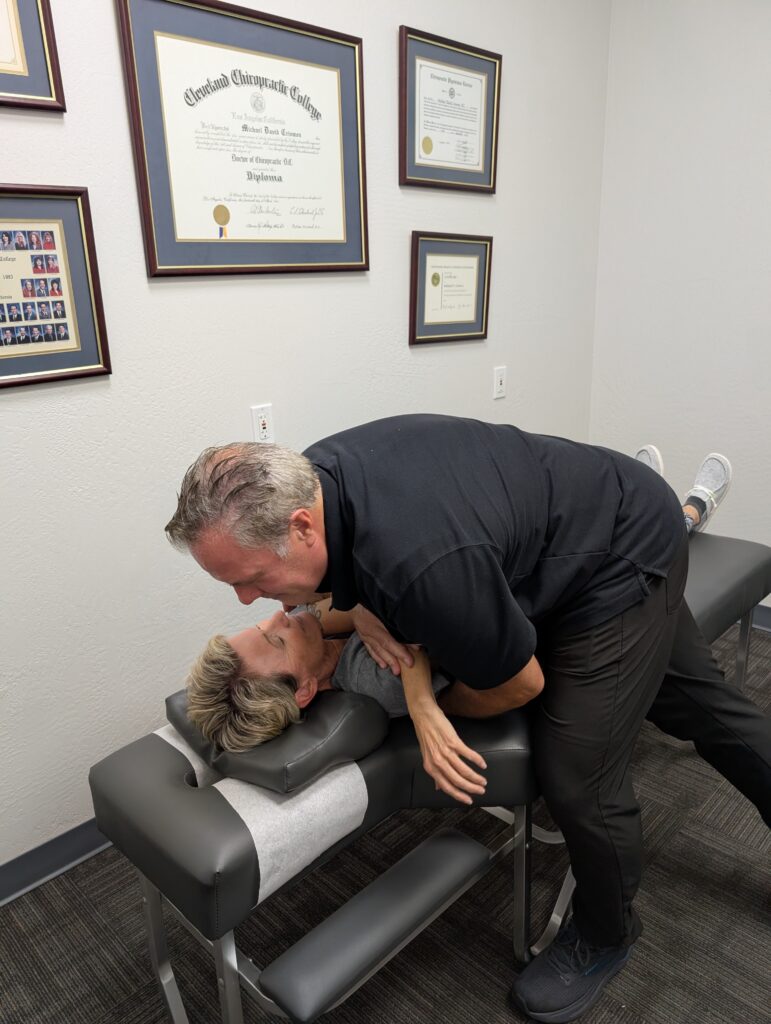
A key question to ask is how your care plan will be personalized to your condition, lifestyle, and long-term health goals. Understanding the rationale behind treatments, expected outcomes, and supportive therapies helps you stay engaged in recovery. At Advanced Spine & Rehab in Mesa AZ 85206, a complete staff of medical professionals collaborates using the latest chiropractic and rehabilitative techniques to support holistic healing, especially for trauma, accidents, and daily spinal health.
What Are the 7 Chiropractic Adjustments?
Chiropractic adjustments refer to specific manual or instrument-assisted techniques used to restore joint mobility, reduce nerve irritation, and improve function. Common categories include diversified, spinal mobilization, drop-table, activator, flexion-distraction, gonstead, and extremity adjustments. Each approach targets different biomechanical needs and patient tolerances. A chiropractor selects techniques based on diagnosis, spinal integrity, injury history, and functional goals to ensure safe, effective, and individualized care.
What Should I Expect During My First Visit to a Chiropractor?
Your first visit typically includes a detailed health history, discussion of current symptoms, and a physical examination focusing on posture, movement, and neurological function. Diagnostic imaging or other tests may be recommended if clinically indicated. The chiropractor explains findings, outlines a personalized care plan, and may begin gentle treatment if appropriate. The goal is to establish an accurate diagnosis, ensure safety, and set clear expectations for care.
When Should You Not Get Adjusted by a Chiropractor?
Chiropractic adjustments may be deferred or modified when certain medical conditions are present. These include acute fractures, severe osteoporosis, active spinal infections, malignancy involving the spine, or progressive neurological deficits without medical clearance. Recent surgery or vascular disorders may also require alternative approaches. A thorough examination and medical history help determine appropriateness, ensuring care is safe, evidence-based, and coordinated with other healthcare providers when necessary.
What Is the Most Gentle Chiropractic Technique?
Gentle chiropractic techniques are designed to improve joint mobility while minimizing force and strain. Methods such as instrument-assisted adjustments, spinal mobilization, and flexion-distraction use controlled, low-force movements rather than manual thrusts. These approaches are often suitable for patients with acute pain, arthritis, osteoporosis, or heightened sensitivity. Technique selection is based on clinical findings, comfort level, and safety to support effective, well-tolerated care.
What Should I Do Immediately After a Chiropractic Adjustment?
After an adjustment, it is generally recommended to stay hydrated, move gently, and avoid strenuous activity for a short period unless otherwise advised. Light walking can help maintain mobility and circulation. Some patients experience mild soreness as tissues adapt, which typically resolves quickly. Following post-care instructions, including stretches or therapeutic exercises, supports healing and helps reinforce the benefits of the adjustment.
Symptoms That Often Prompt Chiropractic Care
Back Pain (Acute or Chronic)
Back pain is one of the most frequent reasons individuals seek chiropractic care. It may result from poor posture, repetitive strain, disc irritation, joint dysfunction, or trauma such as a fall or auto accident. Symptoms can include stiffness, muscle tightness, reduced range of motion, or sharp pain with movement. Chiropractic evaluation focuses on spinal alignment, joint mobility, muscular balance, and neurological involvement to address both pain and underlying mechanical causes.
Neck Pain and Stiffness
Neck pain commonly develops from prolonged screen use, poor ergonomics, stress-related muscle tension, or whiplash injuries. Patients may notice restricted movement, aching, or sharp pain that worsens with turning the head. Chiropractic care evaluates cervical joint mechanics, muscle imbalances, and nerve involvement. Treatment aims to restore normal motion, reduce muscular strain, and support proper posture to decrease pain and prevent recurrence.
Headaches and Migraines
Certain headaches originate from tension, joint dysfunction, or nerve irritation in the neck and upper back. These cervicogenic or tension-type headaches may present as pressure at the base of the skull, temples, or behind the eyes. Chiropractic assessment identifies contributing spinal or muscular factors. Care focuses on improving cervical mobility, reducing muscle tension, and addressing postural stressors that may trigger or perpetuate headaches.
Sciatica or Leg Pain
Sciatic symptoms occur when the sciatic nerve is irritated, often due to disc issues, joint dysfunction, or muscular compression in the lower back or pelvis. Patients may feel radiating pain, numbness, tingling, or weakness traveling from the lower back into the leg or foot. Chiropractic care evaluates spinal alignment and nerve pathways to reduce pressure, improve function, and support recovery.
Joint Pain in Shoulders, Hips, or Extremities
Pain in joints outside the spine can result from overuse, injury, altered biomechanics, or compensation from spinal dysfunction. Symptoms may include aching, stiffness, clicking, or limited motion. Chiropractic care includes extremity joint evaluation, soft tissue assessment, and functional movement analysis. Treatment aims to restore proper joint mechanics, improve mobility, and reduce strain on surrounding tissues.
Medical Causes Behind Common Symptoms Addressed in Chiropractic Care
Degenerative Disc Disease
Degenerative disc disease involves age-related or stress-related breakdown of spinal discs, leading to reduced cushioning between vertebrae. This can cause back or neck pain, stiffness, and nerve irritation that may radiate into the arms or legs. Symptoms often worsen with prolonged sitting, bending, or repetitive movement.
Muscle Strain and Ligament Sprain
Overstretching or tearing of muscles and ligaments commonly occurs from lifting injuries, sudden movements, poor posture, or repetitive stress. These soft tissue injuries can cause localized pain, inflammation, reduced range of motion, and protective muscle spasms that alter normal movement patterns and contribute to persistent discomfort.
Herniated or Bulging Discs
Disc herniation occurs when disc material extends beyond its normal boundary, potentially compressing nearby nerves. This may result in sharp pain, numbness, tingling, or weakness in the arms or legs. Symptoms often correlate with specific movements and may follow trauma or cumulative spinal stress.
Joint Dysfunction or Facet Syndrome
Facet joints guide spinal motion, and dysfunction can develop from injury, poor mechanics, or degeneration. This condition often causes localized spinal pain, stiffness, and pain with extension or rotation. Joint dysfunction may also contribute to referred pain patterns without direct nerve compression.
Postural and Biomechanical Imbalances
Poor posture, leg length discrepancies, or abnormal movement patterns place uneven stress on the spine and joints. Over time, this can lead to muscle fatigue, joint irritation, headaches, and chronic pain. Addressing biomechanical imbalance is essential for long-term symptom relief and functional improvement.
Medical Treatments Commonly Used for Spine and Joint-Related Symptoms
Chiropractic Adjustments
Adjustments restore joint mobility, reduce mechanical restriction, and improve nervous system function. They are commonly used for back pain, neck pain, headaches, and joint stiffness by addressing spinal misalignment and movement dysfunction contributing to pain and reduced function.
Physical Therapy and Rehabilitation
Rehabilitative therapy focuses on strengthening weak muscles, improving flexibility, and correcting movement patterns. It is often used for chronic pain, post-injury recovery, and joint instability, helping reduce symptoms while improving long-term functional support of the spine and extremities.
Medication Management
Medications such as anti-inflammatories, muscle relaxants, or analgesics may be prescribed to manage pain and inflammation. These treatments address symptoms like acute pain or muscle spasm but do not correct underlying mechanical or structural causes of dysfunction.
Therapeutic Injections
Injections, including corticosteroids or nerve blocks, are used to reduce inflammation and nerve irritation. They may help relieve radiating pain, sciatica, or joint inflammation, particularly when conservative care alone has not sufficiently reduced symptoms.
Lifestyle and Ergonomic Modifications
Postural correction, ergonomic changes, weight management, and activity modification reduce repetitive strain on the spine and joints. These interventions support treatment outcomes by minimizing symptom triggers and preventing recurrence of pain related to daily habits.
Summary
This article outlines common symptoms prompting chiropractic care, their underlying medical causes, and effective treatments for spine and joint conditions. By addressing back pain, neck pain, headaches, sciatica, and joint dysfunction, care focuses on chiropractic adjustments, rehabilitation therapy, medical management, injections, and ergonomic solutions. Understanding these evidence-based fixes and repairs helps patients make informed decisions, improve mobility, reduce pain, and support long-term spinal health through comprehensive, medically guided treatment approaches.
Meet the Professional Staff
We invite you to visit Advanced Spine & Rehab in the Phoenix East Valley, where individualized care is delivered with compassion, understanding, and integrity. Our calm, welcoming environment is designed to help you feel supported from your first visit through recovery. Our professional team works collaboratively to identify the root cause of pain, develop personalized treatment plans, and guide patients toward lasting wellness, improved function, and meaningful relief from discomfort on their road to recovery.